Guides
Blocked drains: causes, prevention, and when to call a plumber
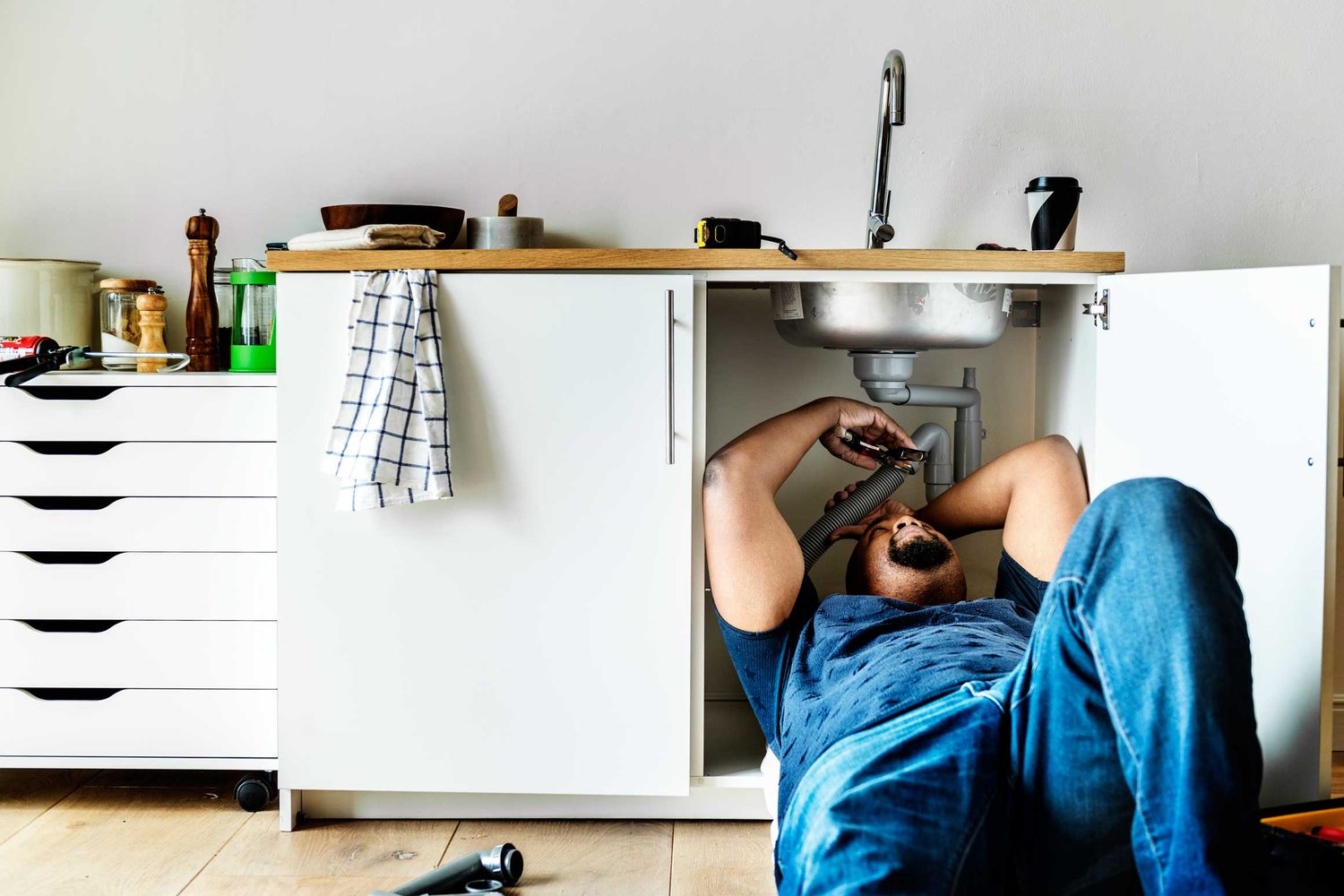
Blocked drains are the single most common plumbing problem in Calgary homes, apartments and commercial kitchens. Most build up slowly, which means there are warning signs well before the day nothing goes down at all.
What actually causes them
- Grease and fat. Poured down warm as a liquid, it cools and hardens on the pipe wall. Every subsequent bit of food waste catches on it.
- Hair and soap scum. The standard bathroom blockage, and the easiest to prevent with a drain screen.
- “Flushable” wipes. They are not. They don’t break down, and they are responsible for a large share of main-line blockages.
- Tree roots. Roots find the moisture at a cracked joint and grow into the line. Common in older neighbourhoods with mature trees.
- Pipe damage. A collapsed section or a belly where the line has settled will catch debris no matter what you do.
The warning signs
Water draining slower than it used to. Gurgling from one fixture when you run another. A smell coming back up. If more than one fixture is affected at the same time, the problem is in the main line, not the fixture — stop plunging and call someone.
What you can try yourself
For a single slow fixture: boiling water down a kitchen drain will soften a grease build-up, and a plunger or a drain snake will clear most hair blockages. What we’d avoid is chemical drain cleaner. It rarely clears a real blockage, it sits in the pipe corroding it, and it makes the job hazardous for whoever opens the line afterwards.
When to call
- Multiple fixtures backing up at once
- Sewage smell or water coming up a floor drain
- The same drain blocking again within a few months
- Anything you’ve already tried to clear twice
A repeat blockage is worth a camera inspection. It costs less than clearing the same line three more times, and it tells you whether you’re dealing with habits or with a broken pipe.